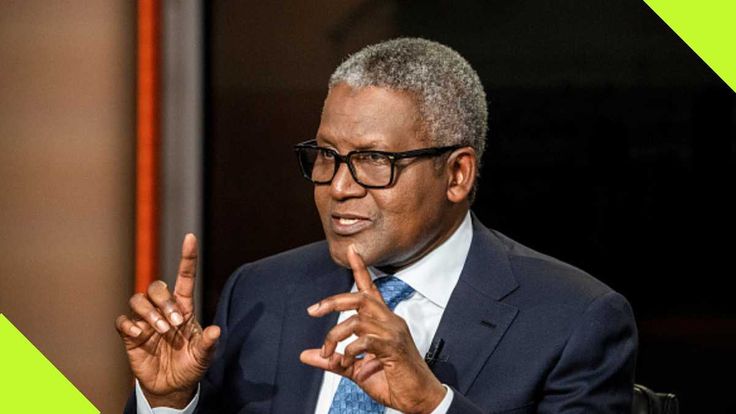
Africa’s richest man and industrialist, Aliko Dangote, has doubled down on his long-standing criticism of corruption in Nigeria’s downstream petroleum sector, insisting that the system was riddled with abuse long before recent reforms.
In several public engagements and widely circulated interviews, Dangote alleged that subsidy administration and downstream operations became avenues for massive rent-seeking, enriching a few individuals at the expense of the Nigerian people.
According to Dangote, some former public officials lived far beyond what their legitimate earnings could justify. He claimed that one former petroleum sector official, Farouq, allegedly paid as much as $5 million in school fees in Switzerland for just secondary school, a statement that has since sparked intense national debate and renewed calls for transparency.
While these claims have not been tested in court, Dangote’s comments have amplified public demand for a comprehensive audit of the downstream sector, particularly during the years when fuel subsidy payments ballooned without commensurate national benefit.
For many Nigerians, Dangote’s intervention is not about personalities, but about accountability. His insistence that corruption was deeply entrenched reinforces the urgency of reforms currently being pursued to sanitize the oil and gas value chain and protect public resources.
As the country moves forward, Nigerians expect relevant authorities to separate facts from fiction through due process—because silence in the face of such grave allegations only deepens public distrust.
🗞️ References
1. Dangote’s specific allegations against the NMDPRA MD
Aliko Dangote publicly accused the Nigerian Midstream and Downstream Petroleum Regulatory Authority (NMDPRA) boss, Farouk Ahmed, of questionable financial conduct — including claiming he paid about $5 million for his children’s secondary school education — and called for a full investigation. Punch Newspapers+1
2. Dangote’s broader criticism of the downstream sector and call for probe
Dangote has intensified his dispute with regulators, accusing them of enabling cheap fuel imports that undermine domestic refining and calling for an anti-corruption probe into the sector’s leadership. Reuters
3. Dangote’s critique of inflated figures and entrenched rent-seeking
Dangote has argued that consumption and related statistics in Nigeria’s petroleum sector have been inflated in ways that benefit certain interests, which he suggests reflects deeper systemic issues. Punch Newspapers
4. Civil society and industry debate around Dangote’s downstream push
Stakeholder groups have weighed in on the petroleum sector debates surrounding Dangote’s refinery and calls for reform, offering broader context on the industry struggles he highlights. Vanguard News