Ethiopia has long styled itself the diplomatic capital of Africa — home to the African Union, host to more
embassies than almost any city on the continent, and a country whose foreign policy identity is built on being a convener and a broker. The training it is now extending to South Sudanese diplomats is an expression of that self-image, but it is also something more practical: an investment in a neighbour whose stability, or lack of it, has direct consequences for Addis Ababa.
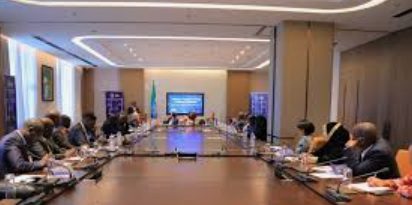
Ethiopia’s Institute of Foreign Affairs, working in coordination with the Ministry of Foreign Affairs, has been running programmes that bring South Sudanese diplomatic personnel to Addis Ababa for structured training covering negotiation, international law, consular practice, ethics, and the mechanics of multilateral engagement. The initiative is framed as capacity building, and in a narrow sense it is — South Sudan, one of the world’s youngest nations, is still in the early stages of constructing a professional foreign service capable of holding its own in regional and international forums.
But the context matters. South Sudan is a country emerging from years of devastating civil conflict, currently navigating a fragile political arrangement that remains under considerable strain. Its diplomatic corps operates in an environment where the country’s international standing is still being rebuilt and where the quality of its representation in regional bodies and bilateral negotiations carries real consequences for its economic and security interests.
For Ethiopia, deepening this relationship serves several purposes simultaneously. It builds goodwill with Juba at a moment when Addis Ababa’s regional relationships are under scrutiny — particularly given reporting earlier this year that Ethiopia has been hosting a training facility for Sudan’s Rapid Support Forces, a revelation that has complicated its image as a neutral regional actor. Strengthening its hand with South Sudan through softer instruments of diplomacy and institution-building offers a counterweight to that narrative.
The broader programme also includes diplomats from Kenya, Somalia, Rwanda, Uganda, and the Democratic Republic of Congo — suggesting Ethiopia is thinking about this not merely as bilateral outreach to South Sudan but as a platform for cultivating influence across a generation of East African foreign service officers who will shape the region’s diplomacy for decades to come.
Whether the training translates into a meaningfully stronger South Sudanese foreign service depends largely on what happens when participants return home — whether the political will exists in Juba to let professional diplomacy, rather than personal and factional loyalties, drive the country’s international engagement.