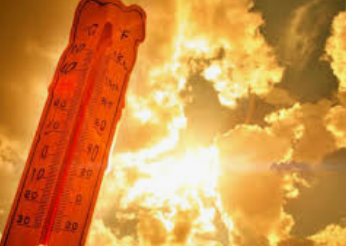
A record-breaking heatwave is straining Europe’s power grids and exposing how ill-prepared the continent’s health systems are for sustained extreme heat, the World Health Organization said, as tens of thousands remained without electricity.
WHO Director-General Tedros Adhanom Ghebreyesus said the heat had already forced school closures and was endangering public health, noting that Europe is warming at close to twice the global average rate, a trend he said would make extreme heat events more frequent and more intense. He urged governments to invest without delay in climate-resilient health systems and to step up broader efforts to curb the underlying drivers of climate change.
A study published this week found human-driven climate change had made the current heatwave significantly worse, pushing temperatures two to four degrees Celsius higher than they would otherwise have been.
The WHO pointed to the lethal potential of such events, citing a 2003 heatwave that killed an estimated 70,000 people across Europe. The agency urged the public to learn to distinguish between heat exhaustion, marked by headaches, dizziness, nausea and cramps, and heatstroke, a life-threatening condition involving confusion, collapse and seizures.
On managing the heat, the WHO said electric fans should only be used when temperatures stay below 40 degrees Celsius, since above that threshold they can heat rather than cool the body. It recommended setting air conditioning to 27 degrees and combining it with a fan, which it said can make a room feel four degrees cooler, and advised people to drink two to three litres of water daily during periods of extreme heat.
The warning came as France reported major power outages linked to the heatwave and as the Red Cross separately raised concerns over the toll the extreme temperatures are taking across the region.