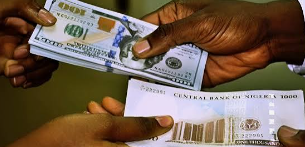
The International Monetary Fund signed off on roughly $348.5 million in fresh financing for the Democratic Republic of Congo on Friday, after its board completed reviews under two existing support programs: the Extended Credit Facility and the Resilience and Sustainability Facility. Of that total, the bulk — about $258.2 million — comes through the ECF review, with the remaining $90.3 million released under the RSF arrangement.
The decision followed a staff visit to Kinshasa earlier this year, during which IMF economists found that Congo’s economy has held up reasonably well despite two compounding pressures: ongoing fighting in the country’s eastern provinces and ripple effects from the broader conflict in the Middle East. Fund staff pointed to a mix of policy reforms, careful monetary management, and disciplined use of public funds — including proceeds from a Eurobond issuance — as key reasons the economy has stayed on relatively firm footing.
On the data front, Congo’s foreign currency reserves stood at around $8.8 billion as of the end of March, a level the IMF says still falls just short of the standard benchmark of covering three months of imports. Inflation has been running at 2.5 percent or below since October of last year, comfortably under the central bank’s 7 percent ceiling, though the Fund warned that fuel costs tied to the Middle East war could push prices higher in coming months. Partly in response to that contained inflation picture, Congo’s central bank lowered its benchmark interest rate twice this year — first to 15 percent in January, then to 13.5 percent in April — prompting IMF staff to caution policymakers against cutting too aggressively from here.
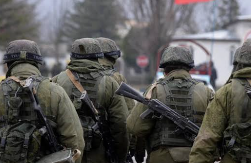
The report also underscored how much the security situation in the east continues to drain government resources. Fund staff specifically pointed to the fallout from M23-aligned rebels seizing the town of Uvira in December, an event that triggered intensified diplomatic activity and added new strain to public spending. Even so, the broader growth picture has stayed strong: the IMF estimates Congo’s economy expanded by more than 5.5 percent in both 2025 and 2026, powered by a pickup in construction, services and agriculture that outweighed a softer patch in the mining sector. The currency, meanwhile, has remained largely steady since late last year, helped by a narrowing trade gap as mineral export prices held up — gains that were partially eaten into by climbing oil costs linked to the Middle East war.
The new disbursement extends a financing relationship that has run for several years now, as the IMF continues backing Kinshasa’s efforts to stabilize its finances while juggling an active security crisis and exposure to volatile global commodity markets.