Israel’s Netanyahu Calls for End to Christian Persecution in Nigeria: A Global Wake-Up Call
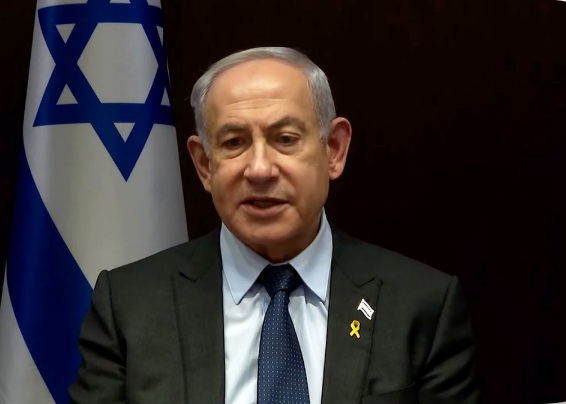
In a powerful Christmas message, Israeli Prime Minister Benjamin Netanyahu addressed the global Christian community, extending holiday greetings while spotlighting the urgent need to protect Christians in Nigeria. His statement, echoing concerns raised by international leaders, underscores the growing recognition of Nigeria’s religious violence as a matter of global human rights.
Key Highlights of Netanyahu’s Remarks
- Condemnation of Violence: Netanyahu described ongoing attacks against Christians in Nigeria as intolerable, stressing that such persecution “must end now.”
- Global Context: He linked Nigeria’s crisis to broader persecution of Christians in Iraq, Syria, Lebanon, and Turkey, contrasting these with Israel’s role as a safe haven for Christians in the Middle East.
- Human Rights Emphasis: Netanyahu framed the issue as part of a universal struggle against religious persecution, declaring that attacks on any faith community cannot be tolerated.
Why This Matters Internationally
- Nigeria’s Strategic Role: As Africa’s largest democracy and economy, Nigeria’s stability has far-reaching implications for regional security and global partnerships.
- Israel’s Positioning: By speaking out, Israel aligns itself with international calls for accountability, reinforcing its image as a defender of religious freedom.
- Amplifying Global Pressure: Netanyahu’s remarks add weight to international advocacy, potentially influencing diplomatic and humanitarian responses.
Netanyahu’s comments serve as a reminder that religious freedom is a universal value, not bound by geography. For Nigeria, the challenge is urgent; for the world, the responsibility is shared. As international voices grow louder, the question remains: will Nigeria’s leaders act decisively to protect its vulnerable communities?