🔑 Key Facts
- Plant: Kashiwazaki-Kariwa, located in Niigata Prefecture, ~220 km northwest of Tokyo.
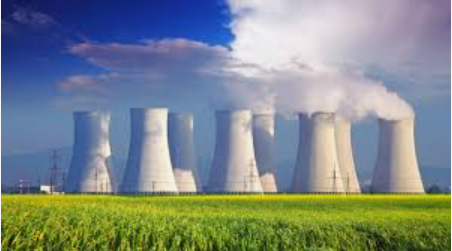
- Capacity: World’s largest nuclear facility, with seven reactors.
- Decision: Niigata Prefectural Assembly voted on 22 December 2025 to allow Tokyo Electric Power Company (TEPCO) to restart one reactor.
- Background: All 54 reactors in Japan were shut down after the Fukushima meltdown in 2011. Since 2015, 14 reactors have restarted, while 11 are awaiting approval.
- Energy Impact: Restart could boost electricity supply to Tokyo by ~2%, reducing reliance on imported fossil fuels.
- Public Sentiment: Strong opposition remains among local residents and Fukushima survivors, who protested outside the Niigata government office.
⚖️ Why Japan is Restarting Nuclear Power
- Energy Security: Japan is resource-poor and heavily dependent on imported fossil fuels. Restarting nuclear plants reduces vulnerability to global energy price shocks.
- Climate Goals: Nuclear power helps Japan cut carbon emissions, supporting its pledge to achieve net-zero by 2050.
- Economic Pressure: Rising energy demand and costs make nuclear a cheaper alternative compared to imports.
📊 Comparison: Nuclear vs. Alternatives in Japan
| Energy Source | Share Pre-Fukushima | Current Role | Pros | Cons |
|---|---|---|---|---|
| Nuclear | ~30% of electricity | Restarting gradually | Low emissions, stable supply | Safety concerns, public opposition |
| Fossil Fuels | ~60%+ now | Dominant | Reliable, flexible | High imports, CO₂ emissions |
| Renewables | ~10–15% | Growing | Sustainable, popular | Intermittent, costly storage |
🚨 Risks & Challenges
- Safety Concerns: TEPCO, the operator of Fukushima, faces trust issues over its handling of past disasters.
- Public Opposition: Local communities fear another accident, especially given Japan’s seismic risks.
- Political Debate: Restarting nuclear power pits energy security against public safety and environmental concerns.
Japan’s move signals a policy reversal: after years of hesitation, it is embracing nuclear energy again to balance climate commitments, economic needs, and energy independence. The Kashiwazaki-Kariwa restart is symbolic—it could set the tone for how aggressively Japan reintroduces nuclear power into its energy mix.