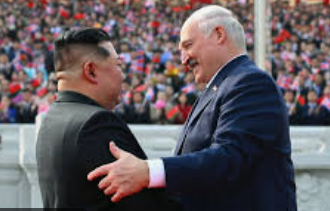
When Alexander Lukashenko stepped onto the tarmac in Pyongyang this week, it marked more than a routine diplomatic visit. His meeting with Kim Jong Un signals a deepening alignment among states increasingly isolated from the West—and raises new questions about the future of global alliances.
A Meeting of Isolated Allies
Lukashenko’s visit, his first official trip to North Korea, comes at a time when both Minsk and Pyongyang face heavy international sanctions. The optics were carefully staged: ceremonial welcomes, military honors, and a highly publicized summit in the heart of the North Korean capital.
But behind the pageantry lies a strategic calculation.
Both leaders are seeking to strengthen ties in areas such as trade, technology exchange, and political cooperation. Reports suggest discussions may also include agreements on agriculture, pharmaceuticals, and industrial support—sectors where both nations face constraints due to limited access to global markets.
The Russia Factor
The significance of the meeting becomes clearer when viewed through the lens of their shared relationship with Russia.
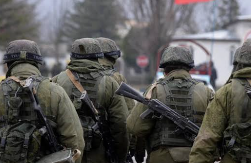
Belarus has been a key ally of Moscow, particularly since the outbreak of the Russia-Ukraine War. It has allowed Russian forces to use its territory and has deepened military integration with the Kremlin.
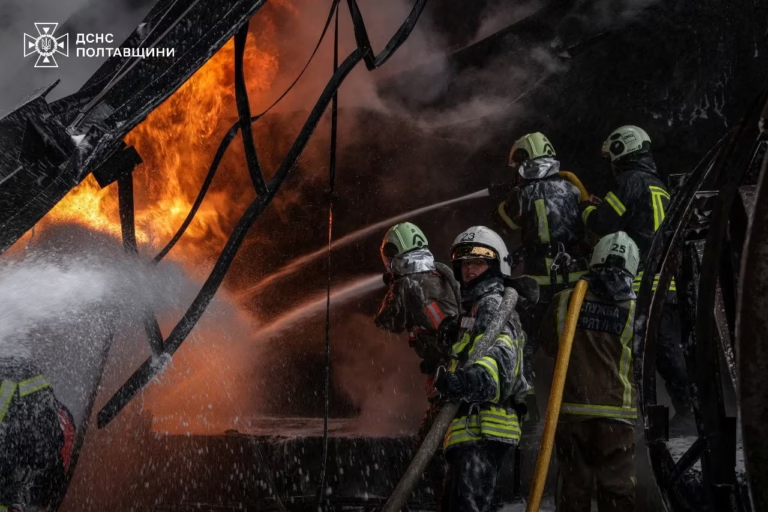
North Korea, meanwhile, has moved closer to Russia through arms deals and political support. Recent reports have pointed to Pyongyang supplying munitions—and even personnel—to assist Russian operations.
In this context, Lukashenko’s visit can be seen as part of a broader consolidation of a Russia-aligned network of states.
Sanctions and Survival
For both Belarus and North Korea, cooperation is less about ideology and more about survival.
Sanctions have restricted their access to global finance, trade routes, and advanced technologies. By working together, they can:
- Exchange goods outside Western-controlled systems
- Share technical expertise
- Build alternative economic channels
While neither country can fully replace access to global markets, their partnership offers a way to mitigate isolation.
Symbolism vs Substance
How much practical impact will this visit have?
On one hand, agreements between two heavily sanctioned economies may have limited immediate economic weight. On the other, symbolism matters in international politics. Public displays of unity reinforce legitimacy at home and signal defiance abroad.
Moreover, even modest cooperation—especially in military or dual-use technologies—could have outsized geopolitical implications.
A Shifting Global Landscape
The Lukashenko–Kim meeting underscores a broader trend: the gradual emergence of parallel networks of cooperation outside Western influence.
As geopolitical tensions deepen, the world may see more of these unconventional partnerships—driven not by shared values, but by shared constraints.
Whether this evolving alignment becomes a durable bloc or remains a loose collection of opportunistic ties will depend largely on how global power dynamics continue to unfold.