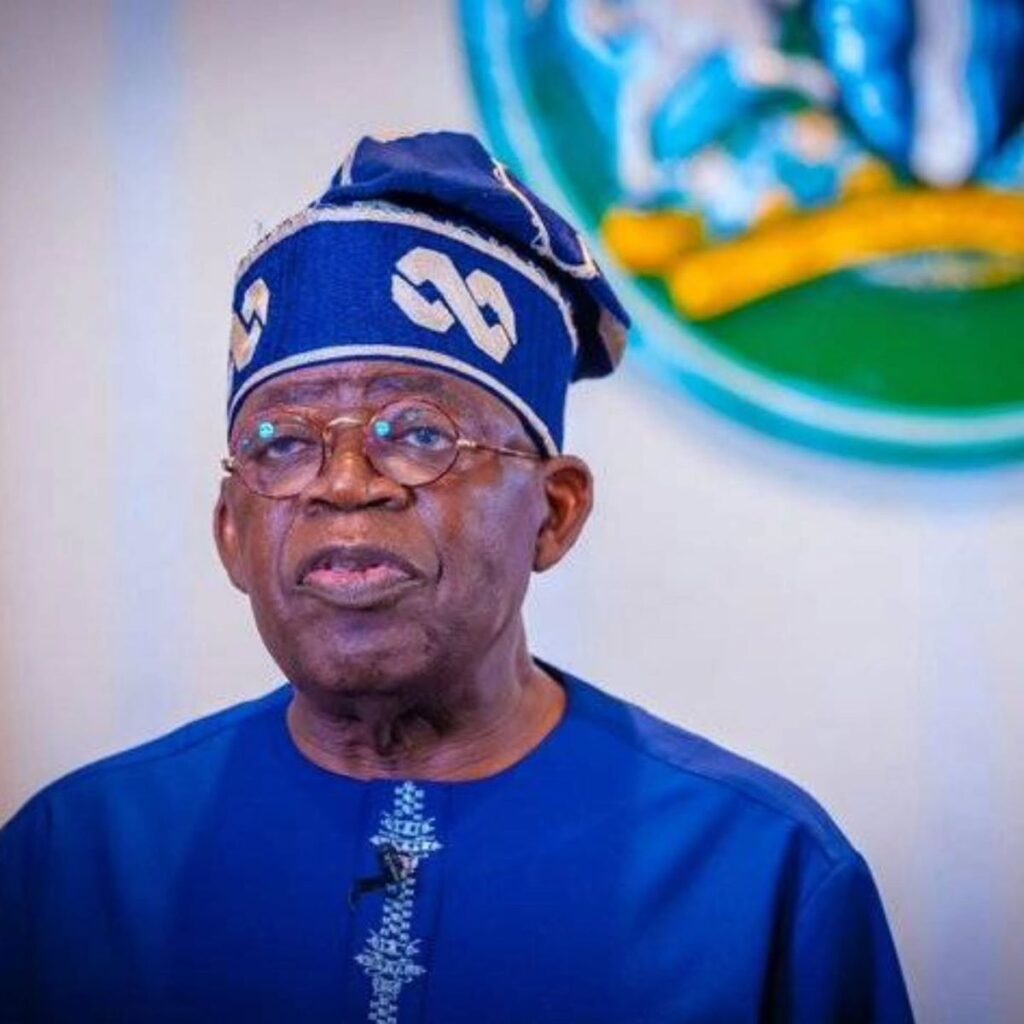
President Bola Ahmed Tinubu has assured Nigerians that the creation of community and state policing structures is imminent, though contingent on legislative action, as part of his government’s ongoing efforts to overhaul the country’s security architecture.
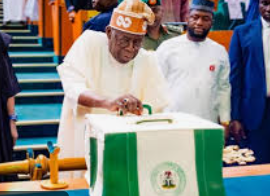
Speaking on 27 December 2025 during a meeting with leaders of the Christian Association of Nigeria (CAN) at his Lagos residence, Tinubu emphasized that his administration is committed to introducing new forms of policing to help address persistent insecurity across Nigeria. He said these reforms are designed to shift the nation’s security narrative and restore public confidence in the protection of lives and property.
The president noted that community and state police will become a reality once the National Assembly completes the necessary legislative inputs, highlighting that changes to Nigeria’s current policing framework require legal backing before implementation. He characterized the current security challenge as real and complex, but expressed confidence that with cooperation among citizens, religious groups like CAN, and government institutions, progress will be made.
Tinubu also linked the police reform agenda with broader security sector improvements, explaining that delays in procuring military hardware—such as four attack helicopters ordered from the United States—have affected public perception of the government’s efforts, but that these assets are expected to arrive in due course.
CAN leadership, led by its President Archbishop Daniel Okoh, responded in support, commending the government’s engagement and pledging cooperation through community structures nationwide.
The push for sub-national policing comes amid rising calls from various stakeholders—including governors and civil society groups—for state-level police forces as part of a decentralized approach to Nigeria’s long-standing security challenges.
What This Means
- Community Police: Locally recruited security teams intended to work closely with residents to prevent crime and improve trust between security services and communities.
- State Police: A proposed tier of policing that would allow individual Nigerian states to establish and manage their own police forces under a constitutional and legislative framework.
Both proposals require amendments to existing laws and approval by the National Assembly before they become operational.
References
Sources used in this summary:
- President Tinubu’s assurances on state and community police, remarks to CAN delegates.
- Coverage of Tinubu’s meeting with CAN and security reform commitments.
- Reporting on the legislative condition for community and state police to take effect.
- Context on broader advocacy for state police reform in Nigeria.