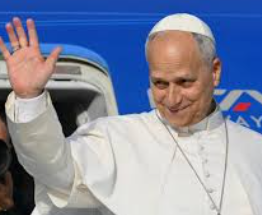
Pope Leo XIV arrived in Spain on Saturday to one of the most electric receptions a visiting pontiff has received in years — and immediately used the occasion to deliver a message that cut directly to the heart of the country’s deepest political wounds.
The American pope, who has Spanish ancestry and first came to this country in 1982 as a young priest, touched down at Madrid’s Barajas International Airport to be received by King Felipe VI and Queen Letizia. By evening, an estimated half a million people — many of them young — had packed the Plaza de Lima for a prayer vigil that by all accounts resembled a rock concert more than a religious gathering. Chants of “This is the youth of the pope” echoed across the square. The energy surprised even seasoned Vatican observers.
But the warmth of the welcome could not obscure the tensions Leo had come to address. Spain in 2026 is a country eating itself from within. The Socialist government of Prime Minister Pedro Sánchez is battered by corruption scandals and under siege from a conservative opposition, including the far-right Vox party, that has demanded his resignation ahead of 2027 elections. The Catholic Church itself carries wounds of its own — a credibility crisis that has made its institutional standing far weaker than the crowds outside might suggest.
Leo spoke to all of it, and he chose his words with the precision of a man who has thought carefully about how to be heard across a divided room. Polarization, he said, has become a dark night in the soul of Spain. The temptation to gain popularity by stoking division, he warned, has grown rather than diminished, and human dignity continues to suffer the consequences. His appeal was directed pointedly at political leaders — to set aside the polemics, to resist the easy currency of outrage, and to invest instead in educating a generation to appreciate complexity rather than retreat from it.
The visit is a deliberate signal of a shift in papal geography. His predecessor Francis largely turned away from Europe’s traditional Catholic heartlands, prioritising smaller and more peripheral communities of faith across the developing world. Leo, it appears, intends to reclaim that ground — to re-engage a secularised continent where Christianity remains culturally embedded even as church attendance has collapsed, and where the questions of migration, war, and technological anxiety have created precisely the kind of moral vacuum the Church believes it exists to fill.
The week ahead is packed with moments of genuine historical weight. On Monday, Leo is set to address both chambers of the Spanish Parliament — the first pope ever to do so. Later in the week, he travels to Barcelona, where he will inaugurate the Tower of Jesus Christ at the Sagrada Família, completing Antoni Gaudí’s century-long masterwork and making it the tallest church building in the world — a moment that falls on the hundredth anniversary of Gaudí’s death.
Whether Leo’s message of unity lands differently than such messages usually do will depend less on the Pope than on the politicians sitting in those front rows — some of whom have built entire careers on doing precisely what he is asking them to stop.