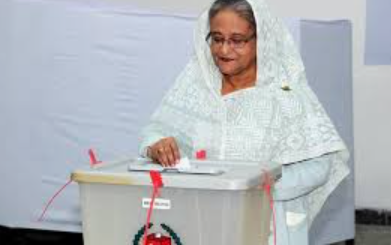
For decades, voting in Gopalganj followed a familiar rhythm.
This is Sheikh Hasina’s hometown — the political heartland of the Awami League, the place where the party’s iconic boat symbol wasn’t just printed on ballots but embedded in daily life. Elections here were rarely suspenseful. The result felt predetermined long before polling day arrived.
This time, that certainty is gone.
As Bangladesh approaches its next general election, voters in Gopalganj are facing something they have never seen before: a ballot without the Awami League.
The absence is striking. No boat symbol. No familiar party candidates. No inherited loyalties quietly passed from one generation to the next. Instead, voters are confronted with a lineup of unfamiliar choices — rival parties, independents, and symbols that once barely registered in this stronghold.
For many residents, the change feels disorienting.
Some longtime Awami League supporters say they don’t know who to vote for anymore — or whether they will vote at all. The ballot no longer reflects the political identity they grew up with. Others, especially younger voters, see this as a rare opening: a chance to reconsider what representation should look like in a place long defined by one family and one party.
The political context behind this shift is dramatic. Sheikh Hasina’s fall from power and subsequent exile reshaped Bangladesh’s political landscape almost overnight. Under the interim government, her party has been barred from contesting the election, turning former strongholds like Gopalganj into political blank slates.
What’s happening here isn’t just about one constituency.
It’s a snapshot of a country in transition — where loyalty is being tested, political memory is colliding with present realities, and voters are being asked to navigate democracy without the symbols that once guided their choices. In a system where party symbols often matter more than policy platforms, their absence forces voters to think differently, and sometimes uncomfortably, about their role.
Whether this unfamiliar ballot leads to meaningful change or simple confusion remains to be seen. But one thing is certain: in Sheikh Hasina’s hometown, the election no longer feels routine.
And that alone marks a historic shift.